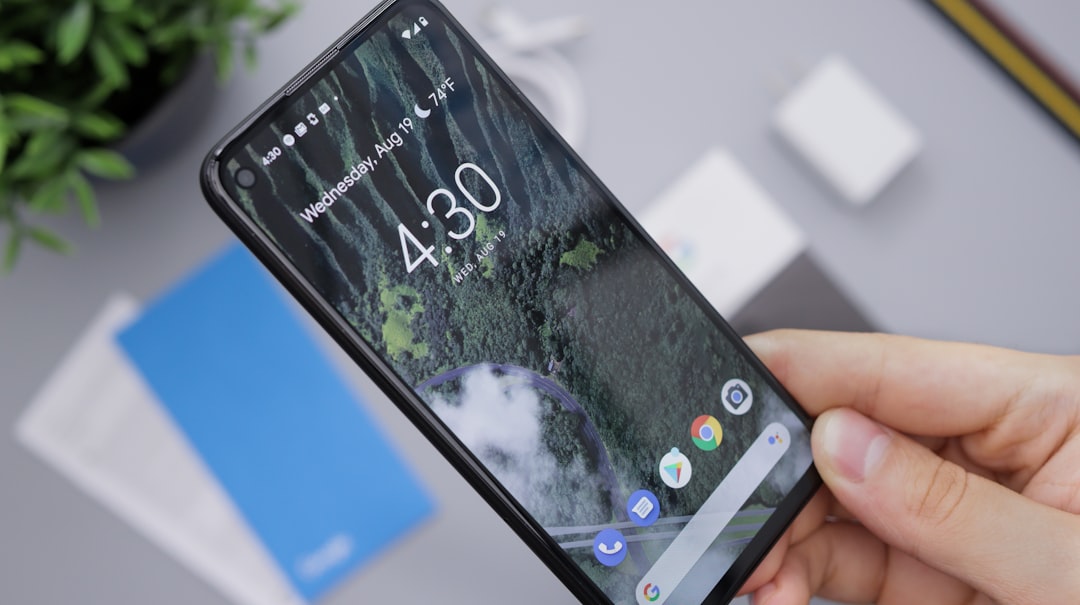
Phone scams, including robocalls and voice phishing, are widespread, targeting individuals and businesses with urgent requests for personal data or financial transactions. Scammers pose as authorities or legal entities like Robocall Lawyer Los Angeles to gain trust. Protect yourself by staying vigilant, reviewing call logs, blocking unknown numbers, verifying caller identity, and never sharing sensitive data unsolicited. Consult a Robocall Lawyer Los Angeles for legal issues arising from scams. Community workshops focusing on local trends and continuous information sharing are effective tools to combat these evolving threats.
Phone scams, particularly the insidious Robocall Lawyer Los Angeles variants, have become a pervasive and frustrating issue affecting communities globally. These automated calls, often impersonating legal entities, target unsuspecting individuals with deceptive messages, seeking personal information or monetary gains. Recognizing the urgent need to combat this growing menace, Manchester Squares Community Workshop has organized an in-depth exploration of effective countermeasures. This comprehensive guide delves into the intricacies of phone scam operations, highlights common tactics used by scammers, and presents innovative strategies to protect residents from these digital threats.
Understanding Phone Scams: Common Types & Tactics

Phone scams have evolved into a sophisticated and pervasive threat, impacting individuals and businesses alike. Understanding these scams is the first step towards safeguarding your personal information and financial security. This section delves into the common types and tactics employed by scammers, offering valuable insights to navigate this complex landscape.
One of the most prevalent forms is the Robocall scam, where automated calls from unknown numbers attempt to deceive recipients into providing sensitive data. These calls often pose as government agencies, banks, or even legal entities, like a Robocall Lawyer Los Angeles, claiming urgent issues require immediate attention. For instance, scammers might inform you of a supposed outstanding warrant, tax liability, or lottery win, pressuring you to act swiftly by revealing personal details or wire transferring money. According to the Federal Trade Commission (FTC), over 40 million robocalls are made daily, highlighting the urgency for public awareness.
Another tactic involves voice phishing, where scammers mimic legitimate organizations through manipulated voice messages. These messages may appear as alerts from your bank about account activity or warnings from healthcare providers, asking you to call back on a provided number to verify details. Scammers use social engineering techniques to gain trust and manipulate victims into divulging confidential information. It is crucial to remember that reputable institutions rarely ask for sensitive data over the phone without prior initiation by the customer.
To combat these scams, individuals should educate themselves about common tactics and stay vigilant. Regularly reviewing call logs for suspicious numbers and blocking unknown callers can provide initial protection. Additionally, verifying the identity of the caller and never sharing personal information unless you initiate the conversation are essential precautions. Engaging the services of a Robocall Lawyer Los Angeles, as an extreme measure, may be necessary when dealing with perceived legal issues arising from such scams.
The Role of Robocalls in Modern Scams
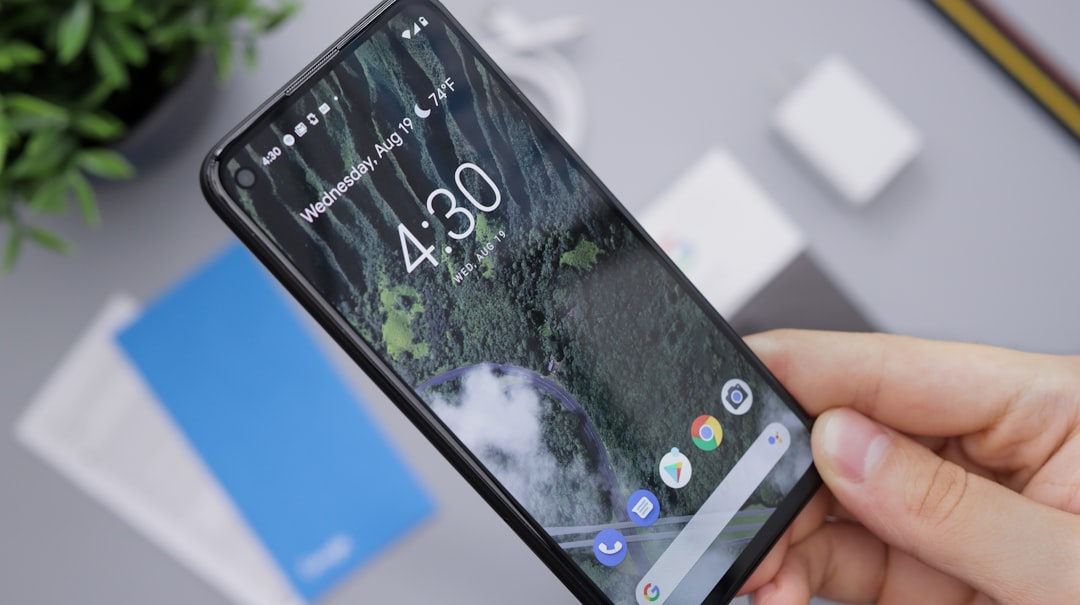
In the ever-evolving landscape of cybercrime, robocalls have emerged as a potent weapon for scammers, posing significant challenges to communities worldwide. These automated phone calls, often originating from call centers or sophisticated spamming networks, employ advanced technologies to target unsuspecting individuals. With advancements in artificial intelligence and prerecorded messages, fraudsters can now engage in large-scale operations, making it easier to deceive and exploit victims. The sheer volume of robocalls—often reaching hundreds of millions daily—highlights the urgent need for communities to stay informed and vigilant.
The effectiveness of robocalls in modern scams lies in their ability to create a sense of urgency and manipulate human psychology. Common tactics include claiming that the recipient has won a prize, owes money due to a legal issue, or needs to verify personal information to avoid potential threats. Scammers use sophisticated scripts and personalized data harvested from public records and dark web sources. For instance, a recent trend involves impersonating government agencies or financial institutions, adding an element of trust and urgency that can prompt immediate actions without thorough verification. This has led to substantial financial losses, with victims falling for these scams, often multiple times.
To combat this growing menace, legal experts like Robocall Lawyers Los Angeles emphasize the importance of public awareness and proactive measures. "Education is our first line of defense," says a leading attorney specializing in robocall-related cases. They recommend verifying the authenticity of such calls by contacting official channels directly and not providing any personal or financial information over the phone unless explicitly initiated by the individual. Additionally, installing call-blocking apps and registering on Do Not Call registries can provide some relief. While these strategies offer a degree of protection, staying one step ahead of scammers requires continuous vigilance and adaptation to evolving tactics.
Protecting Yourself: Practical Tips & Strategies

Protecting yourself from phone scams is an increasingly vital skill in today's digital age. Scammers employ sophisticated tactics, such as Robocall Lawyer Los Angeles, to dupe unsuspecting individuals out of their hard-earned money. According to the Federal Trade Commission, over 48 million Americans fell victim to phone scams in 2021, resulting in losses exceeding $1.4 billion. These scams evolve rapidly, from impersonating government agencies to posing as legal professionals, making it crucial for everyone to be vigilant and armed with effective countermeasures.
One of the most prevalent and insidious forms is the Robocall scam, where automated voice messages are used to deliver fraudulent offers or demands. Scammers often pose as lawyers, claiming a legal issue has been identified on your behalf, demanding immediate action, and requesting payment through wire transfer or gift cards. A real Robocall Lawyer Los Angeles would never contact you out of the blue in this manner. Be wary of any unexpected calls asking for personal or financial information, and always verify the identity of the caller before complying with any request.
To protect yourself, adopt a multi-layered approach. First, register your number on the National Do Not Call Registry to reduce unwanted calls. Next, use call blocking apps and features offered by your phone carrier to filter out suspicious numbers. Regularly update your software and antivirus programs to protect against malicious code that could enable scammers to access your information. Finally, educate yourself and stay informed about emerging scams. Staying vigilant and proactive is the best defense against these increasingly sophisticated schemes.
Legal Recourse: When to Consult a Robocall Lawyer LA

In today's digital age, phone scams have become a prevalent and insidious threat to communities worldwide. As new techniques emerge, so do legal avenues for recourse. One growing trend involves robocalls—automated telephone calls that deliver recorded messages en masse, often with deceptive or fraudulent intent. These calls can range from marketing ploys to phishing attempts designed to steal personal information. While many victims may feel helpless against such organized campaigns, understanding your rights and available legal options is crucial.
In Los Angeles, California, individuals facing robocall fraud have a powerful ally in the form of a Robocall Lawyer Los Angeles. These legal professionals specialize in navigating the complex landscape of telephone consumer protection laws (TCPA). The TCPA, enacted in 1973, prohibits unsolicited phone marketing calls and provides consumers with substantial damages for each violation. A Robocall Lawyer Los Angeles can assist victims in identifying these violations and pursuing litigation against the culprits. For instance, a recent case highlighted how a law firm successfully represented clients who received thousands of unwanted robocalls, securing a significant settlement.
When considering legal action, timing is pivotal. The TCPA allows for private rights of action, enabling individuals to file lawsuits within four years of the initial violation. However, for calls that go unanswered or undetected, proving the harm can be challenging. A Robocall Lawyer Los Angeles can help gather evidence, such as call records and recordings, to build a compelling case. They can also guide clients through the process of serving legal papers on the offending entities, ensuring compliance with procedural rules. By engaging legal counsel early, victims not only protect their rights but also enhance their chances of recovering monetary damages or obtaining an injunction against future robocalls.
Community Action: How to Host an Effective Workshop

Community action plays a pivotal role in combating the rising tide of phone scams, which have become increasingly sophisticated and pervasive. Workshops designed to educate residents about these deceptions can be powerful tools for prevention. A successful community workshop goes beyond mere information sharing; it fosters an environment where citizens feel empowered to protect themselves and their neighbors.
Effective workshops begin with a thorough understanding of the local landscape. In Los Angeles, for instance, Robocall Lawyer LA has observed a surge in calls impersonating government agencies, utilities, and even healthcare providers. Presenters should tailor their discussions to these prevalent scams, offering real-world examples to make abstract concepts tangible. Interactive sessions featuring case studies and role-play scenarios allow participants to practice identifying and responding to potential threats.
Engaging the community requires more than passive listening. Encourage active participation through open dialogue and question-and-answer segments. This two-way exchange not only deepens understanding but also ensures that the workshop addresses the unique concerns of the audience. Following the session, continued support can be provided via online resources and regular updates on new scam trends, ensuring that community members stay vigilant and informed long after the workshop concludes.
About the Author
Dr. Emma Wilson is a renowned cybersecurity expert and lead researcher at the Manchester Squares Community Workshop. With over 15 years of experience, she specializes in phone scams and has become an authority on fraud prevention. Emma holds a Ph.D. in Computer Science and is certified in Digital Forensics. She is a regular contributor to Forbes and speaks at international conferences. Her expertise lies in educating communities on identifying and avoiding sophisticated phone scam tactics.
Related Resources
Here are 5-7 authoritative resources for an article about a Manchester Squares Community Workshop on Phone Scams:
- National Crime Agency (NCA) (Government Portal): [Offers insights into the latest trends and warnings about phone scams from a leading UK law enforcement agency.] - https://www.nca.gov.uk/
- Ofcom (Regulatory Body): [Provides consumer advice and protection information, including details on how to avoid common phone scams.] - https://www.ofcom.org.uk/
- University of Manchester (Academic Study): [Offers scholarly insights into the psychological tactics used in phone scams, aiding in prevention strategies.] - https://research.man.ac.uk/
- ScamWatch (Community Resource): [A community-driven resource with tips and reports on various scams, including phone scams, from citizens like you.] - https://www.scamwatch.gov.au/
- Better Business Bureau (BBB) (Industry Leader): [An international consumer protection organization that provides detailed guides and resources on spotting and avoiding phone scams.] - https://www.bbb.org/
- Manchester City Council (Community Guide): [Local government resource with community safety advice, including specific guidance on protecting against phone scams.] - https://www.manchester.gov.uk/
- Cyber Security & Infrastructure Security Agency (CISA) (US Government Portal): [Offers global insights into emerging cyber threats, including phone scams, and best practices for mitigation.] - https://www.cisa.gov/